
Navigating Singapore's Property Market with Expert Guidance
- Caleb Yeo

- Jul 3, 2025
- 4 min read
Singapore's property market is as vibrant as it is complex. With its stunning skyline, diverse neighborhoods, and ever-evolving regulations, entering Singapore's real estate sector can seem daunting. However, with the right strategies and expert advice, you can navigate this exciting market with confidence. In this article, we will explore various aspects of Singapore's property landscape, offering practical tips and insights to help you make informed decisions.
Singapore Property Tips: Understanding the Market Dynamics
Before diving into the specifics of buying or renting property in Singapore, it's crucial to understand the market dynamics at play. Singapore's property market is influenced by multiple factors, including government policies, economic performance, and foreign investments. According to recent statistics, residential property prices in Singapore have seen a steady increase over the last few years, with the Urban Redevelopment Authority (URA) reporting a 10% rise in private residential prices year-on-year.
Additionally, the government has put in place measures to manage the property market effectively. For instance, the Cooling Measures (introduced in 2013) were aimed at preventing overheating in the market by imposing additional stamp duties on foreign property buyers, which helped stabilize property prices.

Understanding these trends can give you valuable insights into when to invest and when to hold back. Keep yourself updated by following reliable sources such as the Ministry of National Development or real estate platforms that offer regular market analyses.
Navigating the Purchasing Process
Once you have grasped the market dynamics, the next step is to understand the purchasing process. In Singapore, buying property involves several steps, whether you are a citizen, permanent resident, or foreigner. Here are some essential steps to follow:
Determine Your Budget: Establishing a clear budget is the first step. Consider not just the purchase price but also the Additional Buyer's Stamp Duty (ABSD), legal fees, and miscellaneous costs associated with buying a property.
Get Pre-Approved for Financing: Most buyers opt for mortgage financing. Getting pre-approved for a loan gives you a clear picture of what you can afford and positions you as a serious buyer.
Engage a Real Estate Agent: Professional help can streamline the buying process. An experienced agent can offer valuable insights into the best districts, negotiate deals, and navigate legal paperwork. For comprehensive real estate guidance, consider advice from professionals at TVL Realty.

Conduct Thorough Research: Research neighborhoods, property types, and market trends. Websites, property exhibitions, and expos are great resources for gathering information on what is available.
Finalize the Deal: Once you have found the right property, work closely with your agent and lawyer to finalize the deal. This involves signing the Sale and Purchase Agreement (SPA) and transferring funds.
What is the Number 1 Rule in Real Estate?
The number 1 rule in real estate is location, location, location. This age-old adage remains true in the Singapore property market. The right location can significantly enhance your investment's value over time.
When considering a location, look at several factors:
Accessibility: Proximity to public transport, major roads, and expressways is crucial.
Amenities: Availability of schools, shopping centers, parks, and healthcare facilities impacts desirability.
Future Developments: Plans for new infrastructure or commercial areas can affect property values positively.
For instance, districts such as Orchard Road are highly sought after for their shopping and entertainment offerings, while areas like the Central Business District appeal to those seeking convenience to work.
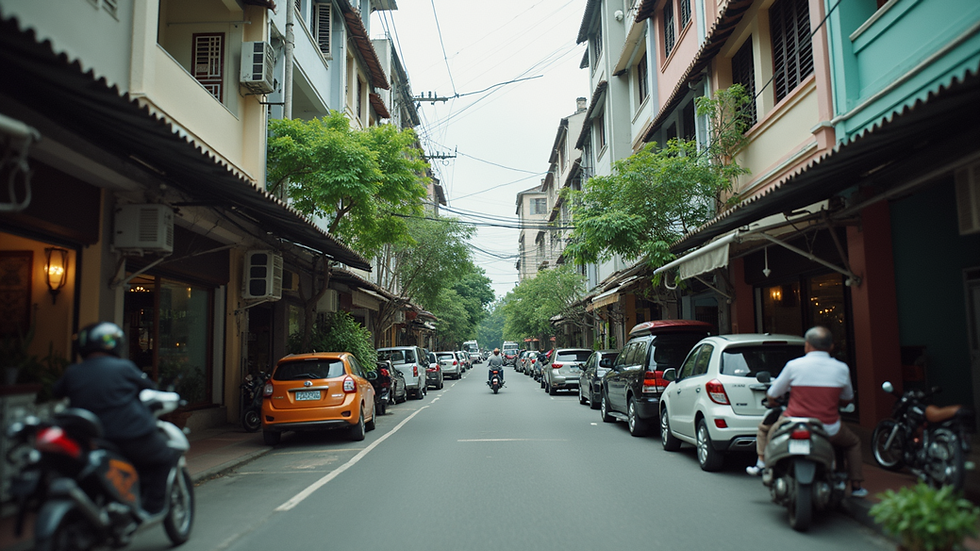
Investing in an up-and-coming area can yield great returns. Therefore, it's beneficial to research new developments and upcoming infrastructural projects.
Renting in Singapore: Key Considerations
If purchasing property seems too daunting, renting is a viable alternative. The rental market in Singapore offers various options, from condos to landed properties, catering to different budgets and preferences. Here are some tips to ensure a smooth rental experience:
Understand Lease Terms: Rental agreements in Singapore typically range from one to two years. Understand all terms, including the Notice Period, whether it's furnished or unfurnished, and what utilities are included.
Verify Property Conditions: Before signing any agreement, inspect the property thoroughly. Look for any signs of wear and tear and clarify who is responsible for maintenance.
Negotiate the Rental Price: Don't hesitate to negotiate the rental price, especially if you find similar properties for less. A good agent can assist with negotiations and help you secure the best deal.
Documentation: Ensure you have proper documentation in place, such as identification and proof of income, ready for your landlord or property management company.
Location Matters: Just like buying, the location of your rental property is essential. Check out the neighborhood, local transportation, and its overall vibe to ensure it aligns with your lifestyle.
Future Trends in Singapore's Property Market
Looking ahead, Singapore's property market is expected to witness continued growth. Upcoming developments, such as the implementation of the Greater Southern Waterfront project, will significantly enhance the attractiveness of certain areas. This project aims to transform 30 kilometers of coastline into a world-class urban environment.
Additionally, the shift toward sustainability is becoming a key focus in the property sector. Green buildings and eco-friendly developments are gaining traction as more buyers prioritize sustainability in their purchasing decisions.
According to research by property consultancy firms, the demand for residential properties in Singapore remains strong as investors anticipate long-term capital growth. The emergence of remote working may also influence housing demands, as more individuals seek larger living spaces outside the central city.
Final Thoughts on Navigating Singapore's Property Market
Navigating Singapore's property market can indeed be challenging, but with the right strategies and resources, you can make your real estate journey rewarding. Whether you are looking to buy, rent, or invest, understanding the market dynamics, choosing the right location, and seeking professional advice is crucial.
Always be informed about your options, conduct thorough research, and engage experts who can provide valuable insights. Utilizing real estate guidance can help save you time and effort, ensuring you make informed decisions that align with your aspirations.
By implementing these tips and being proactive in your approach, you can successfully navigate Singapore's property landscape and unlock opportunities that await you. Happy house hunting!


